Funnel Sans
by Julieta Ulanovsky · 2024 · variable
A contemporary neo-grotesque from the designer of Montserrat — soft, clear and quietly versatile. It's the face this site is set in.
Preview
Pair it with another font →Funnel Sans is the text companion to Funnel Display, both drawn by Julieta Ulanovsky — the designer behind Montserrat and Archivo — and released through Google Fonts in 2024. It’s what Fontlog itself is set in, so I’ve been staring at it for a while. Soft, slightly rounded terminals keep it warm at UI sizes without looking childish, the 300–800 range covers most needs, and there’s a real italic.
It’s newer and less battle-tested than something like Inter, so language coverage and hinting on Windows are worth checking for a text-heavy build. Reach for the more eccentric Funnel Display when you want headlines with more attitude than the Sans gives you.
Best for
Where Funnel Sans earns its place — and why. My opinion, not a rule.
- Product UI
A clear, unfussy workhorse — even colour and open counters hold up at 13–14px in a dense interface.
- Marketing sites
Set it against Funnel Display for headlines and you get a whole brand voice out of one family.
- Blog & newsletter
Comfortable for a few thousand words, with a real italic — Ulanovsky drew it with body text in mind.
Get it
Pick the one that fits your setup. Self-hosting is best for production; the CDN link is quickest to try.
pnpm add @fontsource-variable/funnel-sans
# npm install @fontsource-variable/funnel-sans
# yarn add @fontsource-variable/funnel-sansimport '@fontsource-variable/funnel-sans';
/* then, in your CSS */
font-family: 'Funnel Sans Variable', sans-serif;Fontsource appends “Variable” to the family name for variable fonts — use “Funnel Sans Variable”, not “Funnel Sans”.
import { Funnel_Sans } from 'next/font/google';

const funnelSans = Funnel_Sans({
  subsets: ['latin'],
  display: 'swap',
  axes: [],
});

// <body className={funnelSans.className}>
Self-hosted and optimised at build time — no network request to Google.
<link rel="preconnect" href="https://fonts.googleapis.com" />
<link rel="preconnect" href="https://fonts.gstatic.com" crossorigin />
<link
  href="https://fonts.googleapis.com/css2?family=Funnel+Sans:ital,wght@0,300..800;1,300..800&display=swap"
  rel="stylesheet"
/>

/* CSS */
font-family: 'Funnel Sans', sans-serif;
Quickest to paste in, but adds a third-party request. Prefer self-hosting for production.
/* Download the OFL-1.1 files from the source below, then: */
@font-face {
  font-family: 'Funnel Sans';
  src: url('/fonts/funnel-sans.woff2') format('woff2');
  font-weight: 300 800;
  font-display: swap;
}
Files: https://github.com/google/fonts/tree/main/ofl/funnelsans
Add the "Funnel Sans" font to this project.

- CSS family name once loaded: 'Funnel Sans Variable'
- Fallback stack: sans-serif
- Variable font. Axes: wght 300–800, ital
- Fontsource package (self-hosted, npm): @fontsource-variable/funnel-sans
- next/font/google export name: Funnel_Sans
- Google Fonts CDN family param: Funnel+Sans:ital,wght@0,300..800;1,300..800
- License: OFL-1.1 — Free for commercial use — self-host, bundle, and modify freely; only selling the font files on their own is prohibited.
- Source: https://github.com/google/fonts/tree/main/ofl/funnelsans

Detect how this project already loads fonts (Fontsource import, next/font, Tailwind @theme, plain @font-face) and follow that pattern. Prefer self-hosting over the Google Fonts CDN link for production.
Paste into Claude Code, Codex, T3 Code, Cursor or similar — it has what an agent needs to wire the font up itself.
Seen on
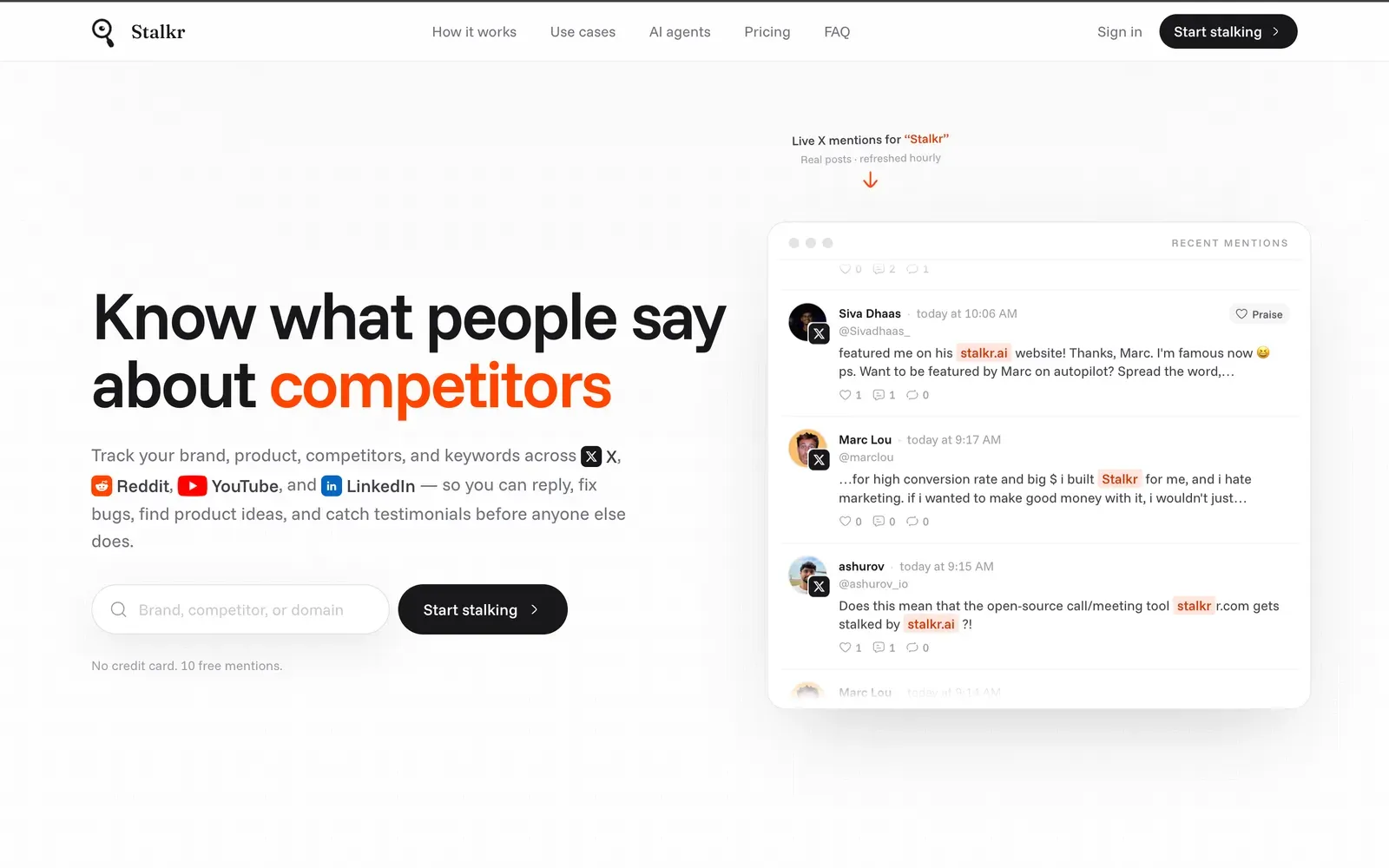
Real sites using Funnel Sans. Click through to see it live.